
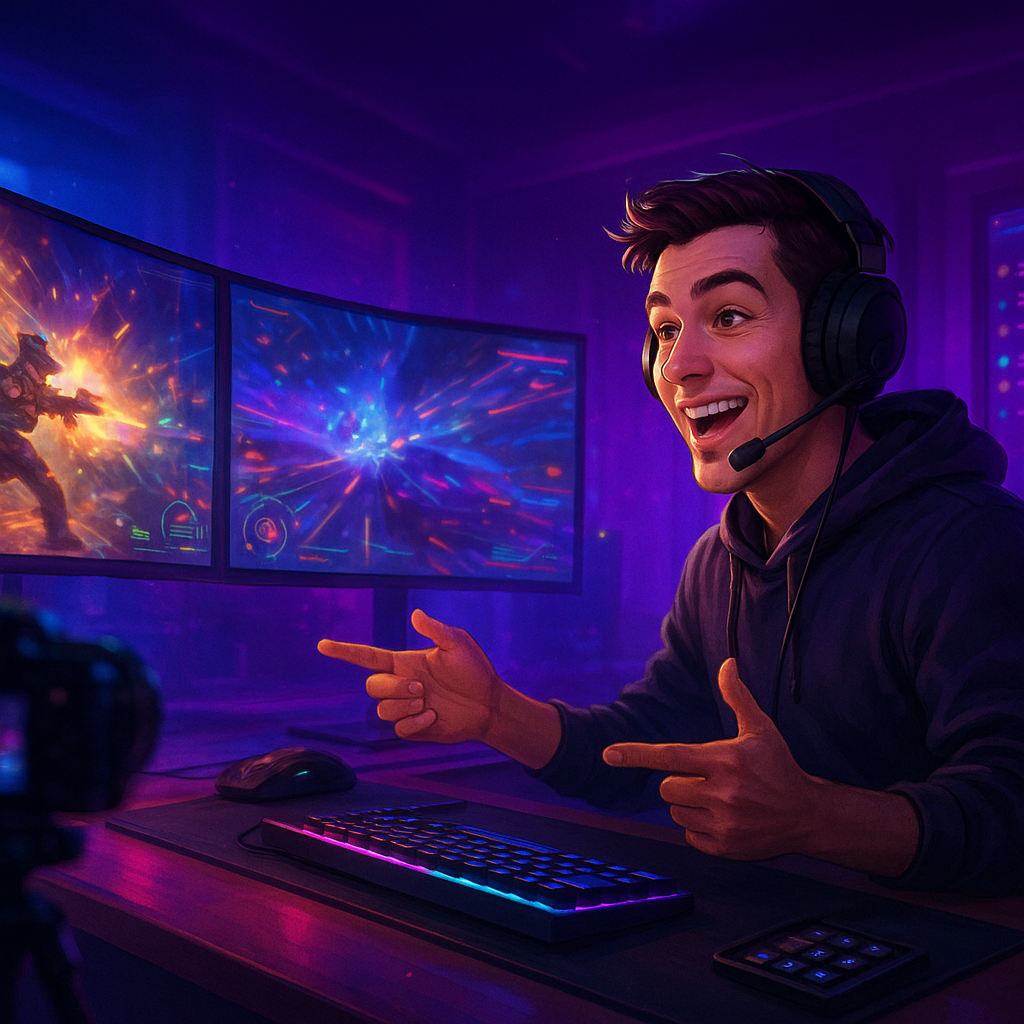
Not so long ago, the idea of watching someone else play a video game for entertainment seemed bizarre to many people outside gaming circles. Fast forward to today, and game streaming has become one of the most powerful forces in modern entertainment. Platforms like Twitch, YouTube Gaming, and Kick have transformed bedroom players into household names, cultural commentators, and in some cases, genuine celebrities. But the role of the game streamer is no longer as simple as pressing “go live” and playing for a few hours. It has evolved into something far more layered, influential, and complex — and understanding that evolution helps explain a great deal about where gaming culture is heading.
From Hobbyists to Industry Powerhouses
The early days of game streaming were remarkably humble. When Justin.tv launched in 2007 and later spawned Twitch in 2011, most people streaming were enthusiasts sharing their play-throughs for small, niche audiences. There was no roadmap for monetisation, no brand deals, and certainly no talent agencies negotiating contracts on anyone’s behalf.
The shift happened gradually and then, seemingly, all at once. By 2020, Twitch alone was averaging over 17 million daily active users, with viewership spiking dramatically during the global pandemic as people sought entertainment and social connection from home. Streamers who had been grinding for years suddenly found themselves in front of massive new audiences, and the platforms themselves began investing heavily in exclusive deals and creator tools.
Today, top-tier streamers like Ninja, Pokimane, xQc, and Valkyrae command audiences that rival traditional television networks. Ninja’s deal with Mixer — before the platform shut down — was reportedly worth over $30 million, a figure that made mainstream media take serious notice of streaming as a legitimate career path. These figures aren’t outliers so much as they are the visible peak of an enormous industry that now generates billions in revenue annually.
What Changed the Game
Several forces converged to elevate streaming from a hobby to an industry:
- Broadband expansion — Faster, more reliable internet made high-quality live streaming technically viable for creators and viewers alike.
- Mobile gaming growth — Streaming migrated to mobile devices, dramatically widening the potential audience.
- Esports legitimacy — Competitive gaming gave streaming a performance context that resonated with sports-minded audiences.
- Creator monetisation tools — Subscriptions, Bits, Super Chats, and affiliate programmes gave streamers real income pathways.
- Community platforms — Discord, Reddit, and social media allowed streamers to build persistent communities beyond individual streams.
The Modern Streamer’s Many Roles
Perhaps the most interesting aspect of how streaming has evolved is the sheer number of hats a successful streamer wears in 2024. It’s no longer enough to simply be good at games — though that certainly helps. The modern streamer is simultaneously a content creator, community manager, brand ambassador, entertainer, and sometimes even a mental health advocate.
Entertainer and Performer
The most fundamental shift in streaming culture is the acknowledgement that skill alone does not build an audience. Personality, relatability, humour, and emotional authenticity are what keep viewers coming back. Streamers like Jerma985 have built devoted fanbases less on their mechanical skill and more on absurdist humour and genuine creative personality. Meanwhile, “react content” streamers have demonstrated that you don’t even need to be playing a game to maintain a massive gaming-adjacent audience.
This performative dimension means streamers are increasingly drawing comparisons to stand-up comedians, radio presenters, or chat show hosts rather than professional athletes. The entertainment value of the stream often matters more than the gameplay itself.
Community Builder and Social Hub
One of the most underappreciated roles a streamer plays is that of community anchor. Regular viewers don’t just watch a streamer — they become part of a recurring social group with its own in-jokes, rituals, and culture. For many viewers, particularly those who struggle with social isolation, these communities provide genuine connection and belonging. The emotional connection players develop with gaming content extends naturally into how audiences bond with the streamers who bring that content to life.
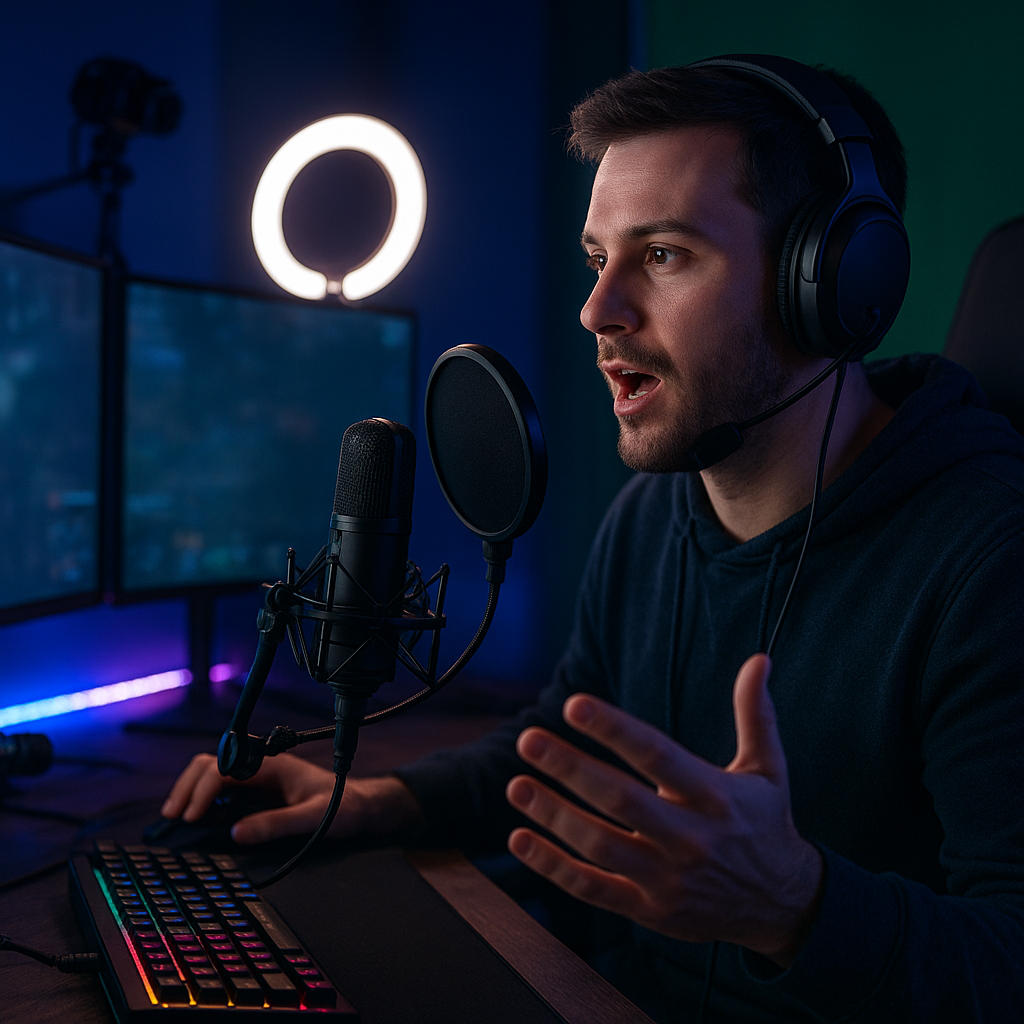
This responsibility weighs on many streamers more than outsiders might expect. Managing a community of tens of thousands means making decisions about moderation, inclusivity, and what kind of environment you want to cultivate. Streamers who neglect this find their communities can become toxic or fractured, ultimately undermining the entire channel.
Brand Partner and Marketer
Sponsorships and brand deals have become a significant revenue stream for mid-to-large streamers. Gaming peripherals, energy drinks, VPN services, and game publishers all pay substantial sums for sponsored segments, exclusive reveals, or simply the association with a popular creator’s platform. This introduces an ethical tension that streamers navigate with varying degrees of transparency — how do you maintain authentic relationships with your audience whilst also taking money from brands?
The Federal Trade Commission (FTC) in the United States and the Advertising Standards Authority (ASA) in the UK have both moved to tighten disclosure requirements for sponsored content, meaning streamers are increasingly obligated to be upfront about paid partnerships. The most trusted streamers tend to be those who are selective about their deals and transparent with their audiences about them.
How Streamers Influence the Gaming Industry
The relationship between streamers and game developers has become one of the most consequential dynamics in modern gaming. A single streamer picking up an indie title can transform it from an obscure release into a viral phenomenon overnight. Among Us is perhaps the most striking example — released in 2018 to minimal fanfare, it exploded in 2020 almost entirely due to streamers and YouTubers broadcasting it to massive audiences.
Conversely, streamers can also damage a game’s reputation. When high-profile creators publicly critique a title, point out bugs, or abandon it after a few sessions, the resulting perception can meaningfully impact sales. Developers are acutely aware of this influence, which is why many now cultivate relationships with key streamers, offering early access, behind-the-scenes content, and direct communication channels.
The Rise of Streamer-First Game Design
Some developers have begun designing games with streaming in mind from the outset. Features like “Twitch Integration” — where viewers can vote on in-game events or directly influence the streamer’s experience — have become increasingly common. Games like Jackbox Party Pack are built around audience participation, blurring the line between player and viewer entirely.
There’s also a growing awareness of “stream-friendly” design philosophy: games with strong visual variety, surprising moments, clear emotional beats, and spectator-legible action tend to perform better in the streaming ecosystem. This is beginning to influence design decisions at major studios, creating a feedback loop between what streamers enjoy playing and what developers choose to build. The broader conversation around AI transforming game design is adding another dimension to this, as procedurally generated content opens new possibilities for streamer-friendly experiences.
The Mental Health Dimension
As streaming has professionalised, so too has the conversation around the mental health pressures it creates. The expectation of constant availability, the emotional labour of performing for an audience every session, and the often brutal dynamics of online criticism have taken a documented toll on many creators.
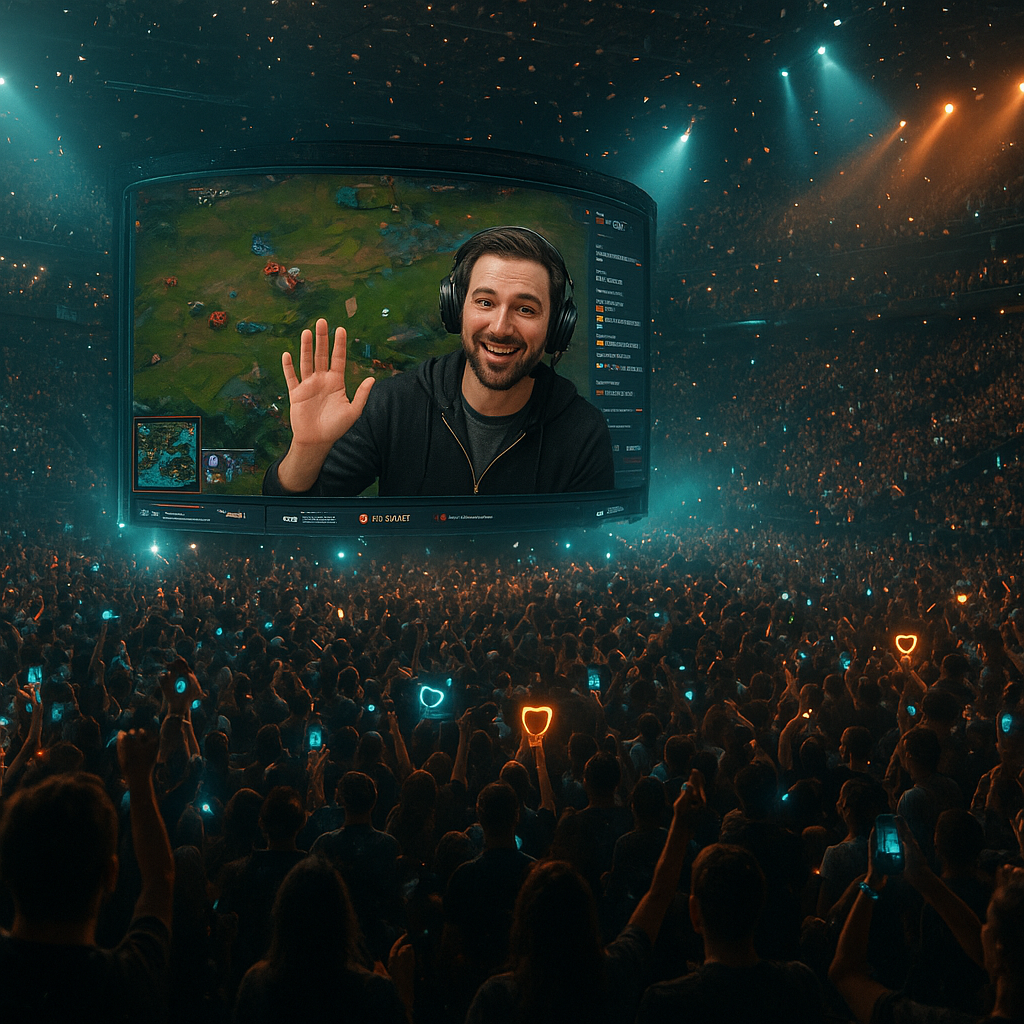
High-profile burnout cases — streamers who go on extended hiatuses or exit the space entirely — have opened up important discussions about sustainability. Pokimane, one of Twitch’s most prominent streamers, has spoken openly about the psychological weight of maintaining a public persona at scale. Dr DisRespect’s controversies and departure from Twitch, whatever the specific circumstances, illustrated how quickly a streaming career can shift beneath a creator’s feet.
The streamer community itself has become more vocal about establishing healthier norms — taking breaks, setting streaming schedules that don’t require 10-hour daily sessions, and being open about struggles rather than projecting relentless positivity. This cultural evolution has made streaming more sustainable as a long-term career, even if pressures remain significant.
What Does the Future Hold?
The streaming landscape continues to shift at pace. New platforms like Kick are challenging Twitch’s dominance, offering creators more favourable revenue splits and less restrictive content policies — though also raising questions about moderation standards. Meanwhile, the integration of AI tools into streaming — from real-time moderation bots to AI-generated avatars — introduces genuinely new possibilities and complications.
Virtual reality streaming, interactive narrative formats, and the potential convergence of gaming and social platforms suggest the role of the streamer will keep evolving. What seems clear is that the streamer as a cultural figure is not a passing trend. They are now embedded in the gaming ecosystem as a fundamental element — one that shapes tastes, builds communities, influences development, and provides entertainment to hundreds of millions of people worldwide.
Emerging Trends Worth Watching
- Co-streaming and collaborative formats — Group streams with multiple personalities are drawing larger audiences and changing viewer expectations.
- Short-form clip culture — TikTok and YouTube Shorts have created secondary audiences who consume streaming content in snippet form, driving discoverability for live streams.
- IRL and hybrid streaming — Streamers are increasingly broadcasting outside, at events, or in hybrid formats that blend gaming with real-world content.
- Subscription fatigue management — As the market matures, streamers are finding new ways to provide subscriber value beyond basic perks.
- Regulatory scrutiny — Gambling streams, loot box promotion, and undisclosed sponsorships are drawing increasing attention from regulators in the UK and Europe.
Conclusion
The role of the game streamer has undergone a remarkable transformation in a relatively short period of time. What began as enthusiastic hobbyists sharing their play-throughs with small communities has evolved into a complex, multi-faceted profession that intersects entertainment, marketing, community building, and cultural influence at a significant scale. Streamers now shape how games are perceived, how communities form around them, and even how future games are designed.
Understanding this evolution matters for anyone interested in modern gaming culture — whether you’re a player, a developer, a viewer, or simply someone trying to make sense of why watching other people play games has become one of the defining entertainment trends of the 21st century. The streamer is no longer a novelty. They are a cornerstone of how gaming is experienced and shared today.