
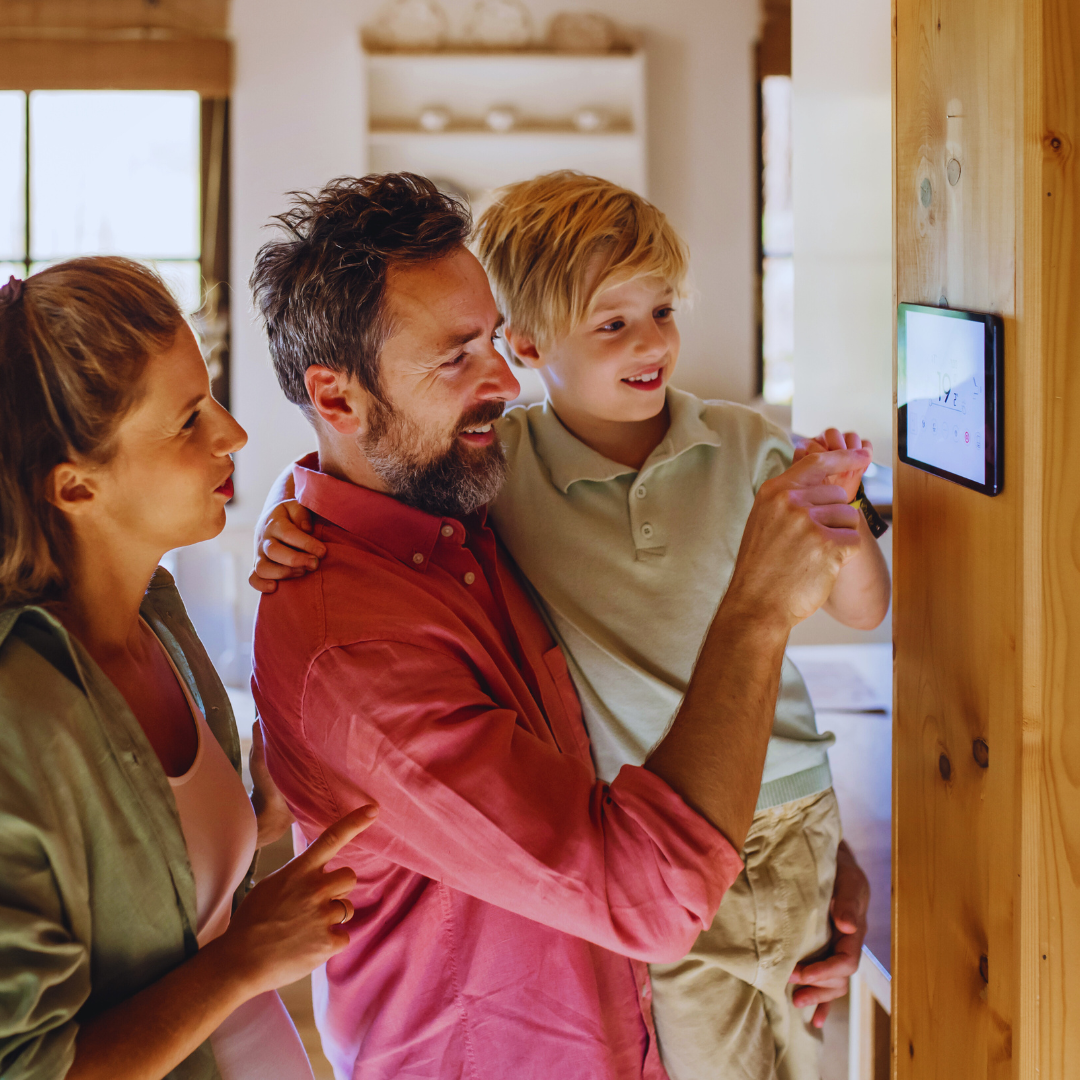
The intersection of virtual reality (VR) and smart home technology is revolutionising the way individuals interact with their living spaces. By integrating VR with smart home devices, users can visualise and control their environments in a more immersive and intuitive manner. This technology enhances user experience and improves the efficiency of smart home systems, making them not only more user-friendly but also more responsive to individual needs.
Augmented reality (AR) also plays a crucial role by providing real-time information and visual overlays about connected devices. Through the lens of AR, users can monitor their homes, receive notifications, and even troubleshoot issues directly. Coupled with the Internet of Things (IoT), this integration allows for seamless communication between devices, leading to smarter energy management and increased security.
As the landscape of home automation continues to evolve, the combination of VR and smart technology presents exciting possibilities. This innovative approach is not just about convenience; it redefines how individuals experience their homes, making them more interactive and personalised.
The Synergy of VR and Smart Home Tech
The integration of Virtual Reality with smart home technology brings significant enhancements to user experience, control, and planning. This synergy leverages immersive experiences and AI-driven tools, transforming how individuals interact with their homes.
Enriching the User Experience through Immersion
Virtual Reality offers an immersive experience that enhances the interaction with smart home devices. Through VR, users can visualise their homes in a 3D space, providing a clearer understanding of how devices work together.
This immersive approach allows them to experience different lighting and temperature settings in real-time, facilitating optimal choices. Incorporating haptic feedback further enhances this experience, as users can physically feel interactions, making the virtual environment more tangible and engaging.
Home Automation and Control Enhancements
Smart home automation is significantly improved with VR technology. Users can navigate their home systems in an intuitive, immersive environment, allowing for easier control over devices like thermostats, security systems, and lighting.
This visualisation enables users to see the status of various devices at a glance, improving responsiveness and decision-making. AI and machine learning can personalise settings based on user behaviour, creating a seamless interaction with the home ecosystem that adapts over time.
Visualisation and Interactive Planning
Visualisation is crucial for planning smart home layouts and device placement. VR offers a platform for interactive visualisation, allowing users to design their spaces before implementation.
They can experiment with various configurations, assessing how furniture and smart devices fit and interact within the space. This planning tool is invaluable for renovations or new builds, saving time and resources. Through vivid simulations, users can effectively plan their environments, ensuring functionality aligns with aesthetic preferences.
To turn these virtual plans into reality, it’s important to have the right professionals on board, especially someone who understands both traditional wiring and modern smart tech. That’s where a licensed electrician Nassau County NY or elsewhere comes in. From automated lighting to energy-efficient integrations, their knowledge helps create a smart home environment that’s both reliable and intuitive.
Impact on Education, Healthcare, and Gaming
Virtual reality (VR) technology is making significant strides in education, healthcare, and gaming, enhancing the effectiveness of smart home environments. The integration of VR applications is transforming how users engage with educational tools, health monitoring systems, and interactive gaming experiences.
Educational Applications in Smart Living
VR applications in education provide immersive learning experiences. Students can access interactive 3D models, visit historical sites, or engage in science experiments without leaving their homes.
Using wearables, educational platforms can monitor cognitive responses, tailoring lessons to individual needs. AI-driven tutoring systems can adapt in real time, offering personalised support.
Collaborative VR environments allow students to work together on projects, facilitating teamwork and communication skills. The result is an enriched learning experience that can significantly improve knowledge retention.
Health Monitoring and Physical Therapy Inside Smart Homes
In healthcare, smart homes equipped with VR technology offer innovative solutions for health monitoring and physical therapy. Wearable devices track vital signs and provide real-time feedback to healthcare professionals.
VR can simulate physical therapy sessions, allowing patients to engage in exercises within a controlled environment. This approach can reduce patient anxiety and improve adherence to rehabilitation programmes.
Additionally, AI algorithms can analyse patient data, offering insights into recovery progress. This integration empowers healthcare providers to make informed decisions and tailor treatment plans based on individual patient needs.
Enhancing the Gaming Experience in Smart Environments
Gaming within smart environments has reached new heights with VR technology. Players can immerse themselves in realistic worlds, utilising the full scope of their surroundings.
VR gaming encourages physical activity as players navigate their rooms or homes. This active participation can improve fitness levels while providing an engaging entertainment experience.
Moreover, social gaming experiences in VR foster connections among players. Multiplayer platforms can create a heightened sense of presence, transforming how users interact and collaborate during gameplay.
Accessibility and Adaptive Smart Home Ecosystems
The evolution of smart home technology is significantly enhancing accessibility for users. Through the integration of VR and AR, these systems can adapt to individual needs and provide seamless interactions.
Creating Context-Aware Smart Homes with AR and VR
Context-aware smart homes use AR and VR to create personalised living environments. These technologies allow for tailored user experiences through voice recognition and AI.
For example, a smart home may recognise who is in a room and adjust lighting or temperature accordingly. Users can interact with their environment via intuitive interfaces that respond to gestures or spoken commands, making the home more accessible to those with mobility challenges.
The combination of AR and VR can also facilitate training and support for users with disabilities. Immersive simulations can help individuals learn how to navigate their smart homes effectively, increasing autonomy.
Intelligent Systems for Predictive Maintenance and Energy Efficiency
Intelligent systems are vital for predictive maintenance and energy efficiency within smart home ecosystems. By collecting and analysing data, these systems can anticipate maintenance needs before issues arise.
Smart thermostats, for instance, optimise energy usage based on historical data and real-time occupancy. This approach not only saves energy but also lowers costs for users.
Additionally, predictive maintenance alerts homeowners about potential failures in appliances or systems. This proactive approach reduces downtime and enhances the overall reliability of smart home technologies.
Incorporating AI into these systems can further improve efficiency, as algorithms learn user habits and optimise performance in real-time.
Future Trends and Market Growth
The smart home market is poised for significant growth, driven by advancements in technology and increasing consumer interest. As virtual reality (VR) and augmented reality (AR) integrate with smart home systems, they provide unique user experiences that enhance functionality and accessibility.
Key Trends:
- Hybrid Reality: The convergence of VR and AR will lead to mixed reality applications, allowing users to interact with their environment seamlessly.
- Energy Efficiency: Smart home technologies will focus on energy consumption management. Real-time monitoring supports better energy use and sustainability.
Market Drivers:
- Increased Connectivity: Expanding Wi-Fi infrastructure supports more devices and higher data transfer rates, which is essential for smart home systems.
- Enhanced Security: Improved encryption methods will address privacy concerns, making consumers more comfortable adopting new technologies.
The integration of real-time monitoring tools aids in managing home systems efficiently. Homeowners will benefit from actionable insights into energy use and system performance.
As manufacturers innovate, the demand for smart home technologies will increase. This growth will be reflected in various sectors, including security, energy management, and convenience. The future landscape will continue to evolve, driven by consumer preferences for smarter and more efficient living spaces.